Bangladesh elections present chance to dismantle Hasina’s legacy of repression, new report says
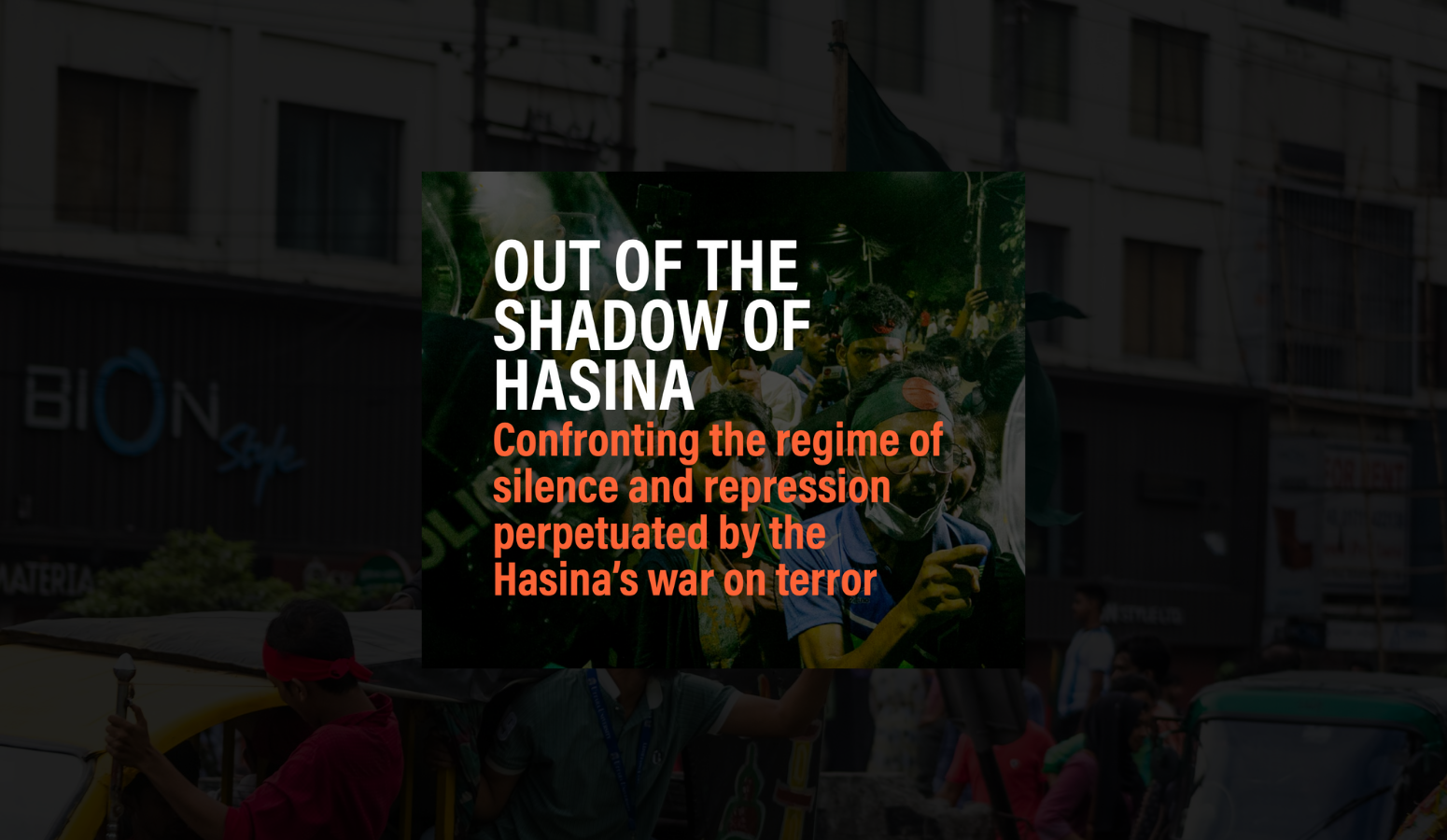
Key findings from the report include:
- Counter-terrorism laws were used as tools of political repression, with the Anti-Terrorism Act and Digital Security Act enabling mass arrests, prolonged pre-trial detention, and criminalisation of dissent
- The Rapid Action Battalion (RAB) functioned as a central instrument of state violence, implicated in over 1,200 extrajudicial killings and more than 600 enforced disappearances
- Journalists, opposition figures, religious leaders, and young people were disproportionately targeted, particularly in the run-up to elections
- The Anti-Terrorism Tribunal routinely violated due process through fabricated evidence, forced confessions, and denial of legal representation
- International counter-terrorism cooperation - involving the US, UK, and India - played a role in sustaining and legitimising these abuses
Asim Qureshi, Research Director at CAGE International, said:
“Bangladesh’s elections will mean little if the same security architecture that enabled torture, disappearances, and political imprisonment remains intact. This report shows that repression under Sheikh Hasina was engineered through counter-terror laws and institutions that still exist today. Any genuine transition must prioritise truth, accountability, and the dismantling of these powers, rather than cosmetic political change.”
The report is released at a critical political moment, as political parties seek to position themselves as alternatives to the previous regime. CAGE International warns that without explicit commitments to reform counter-terror legislation and security institutions, Bangladesh risks reproducing authoritarian control under a new leadership.
Key recommendations outlined in the report include:
- Implementing reparations, legal redress, and rehabilitation programmes for survivors and affected families
- Establishing an independent national Truth and Reconciliation Commission to investigate political imprisonment, enforced disappearances, torture, and extrajudicial killings between 2009 and 2024.
- Repealing the Digital Security Act in full and abolishing the Anti-Terrorism Act to align with international human rights standards
- Abolishing the Anti-Terrorism Tribunal and ensuring due process in all security-related prosecutions
- Dismantling the Rapid Action Battalion and introducing robust civilian oversight of security forces